
Headache that starts near the upper neck or back of the head can feel like a neck problem, but migraine and other disorders can also cause neck pain or stiffness. You will learn how to recognise a cervicogenic pattern, identify warning signs, and judge whether physiotherapy-based care is an appropriate part of your management plan.
Key takeaways
- Neck pain alone does not prove your headache comes from the cervical spine.
- Track triggers, duration, neck symptoms, screen time, sleep, and medication use.
- Seek urgent medical care for sudden severe pain or neurological warning signs.
- Assessment-led physiotherapy can guide exercise, mobility work, and posture changes.
Does the headache pattern point to the neck, or to another cause?
Neck pain does not prove a cervical cause: migraine and neck pain frequently coexist. A possible cervicogenic headache needs a consistent neck-linked pattern, not simply tenderness found during an examination.
| Pattern | Clues that support it | What prevents a shortcut |
|---|---|---|
| Cervicogenic headache | Pain begins in the upper neck or back of the head, stays one-sided or refers forward, neck movement is restricted, and movement or pressure reliably provokes it | A neck examination can support the diagnosis but cannot establish it alone; ICHD-3 requires evidence of cervical causation |
| Migraine | Throbbing or moderate-to-severe pain, nausea, light or sound sensitivity, visual aura, or worsening with routine activity | Neck stiffness can be part of the attack, so it is not proof of a neck-related headache |
| Tension-type headache | Tension-type headache symptoms include pressing or tightening pain, often on both sides, without prominent nausea | Neck or shoulder tightness may accompany it without generating the headache |
| Cluster headache | Severe one-sided pain around the eye with tearing, nasal symptoms, eyelid changes, or marked restlessness | This pattern needs medical headache assessment, not routine neck treatment |
| Sinus-related symptoms | Facial pressure with blocked or coloured nasal discharge and an active respiratory infection | Head pain alone is not evidence of sinus disease |
| Medication-overuse headache | Headache on frequent days alongside regular use of acute headache medicines | Review the drug, dose, and number of use-days with a clinician |
Keep a diary recording headache days, duration, severity, associated symptoms, sleep, medication, screen or physical load, and exercise response. Seek urgent medical care for a thunderclap headache, new weakness, confusion, fainting, seizure, fever with neck stiffness, or a new headache after significant trauma.
How can sitting, screens, and limited movement add to headache load?
Long, uninterrupted loading—not a single “bad” posture—can add to headache load. Prolonged sitting may keep the neck and upper-back muscles working without recovery; forward head posture increases the lever arm of the head, while elevated shoulders can maintain tension around the neck and shoulder girdle.
These factors can aggravate a posture-related headache without proving its cause.
Common load amplifiers include:
- Screen viewing: looking down at a phone or focusing at one distance for hours can increase neck effort, eye strain, and the chance of a screen-related headache.
- Desk setup: a low monitor, unsupported forearms, a chair that encourages slumping, or frequent laptop use can make sustained positions harder to tolerate.
- Sleep position: a twisted neck, excessively high pillow, or stomach sleeping can leave the neck irritated after several hours in one position.
- Reduced movement variety: repeating the same sitting, reaching, or driving position limits recovery and can make ordinary neck movement feel more provocative.
Ergonomics for headaches is therefore about managing load, not permanently realigning your spine. Raise the screen, support your arms, take brief movement breaks, alternate tasks, and gradually build tolerance for normal activities.
Change the position that triggers symptoms, but do not chase one perfect posture; a comfortable position that you can vary is usually more useful.
What does a physiotherapy assessment examine, and when is medical care needed?
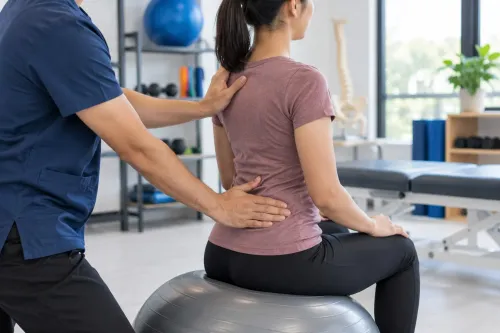
A physiotherapy headache assessment examines whether neck movement and loading reproduce familiar pain, but it cannot diagnose the headache cause alone. The examination includes cervical range of motion, segmental joint and muscle testing, deep-neck-flexor and scapular-muscle endurance, symptom provocation, and neurological screening.
| Finding | What it may support | What it cannot prove |
|---|---|---|
| Restricted cervical range of motion | A neck-related contribution | That the neck caused the headache |
| Pain reproduced by neck movement or pressure | Cervicogenic headache pattern | That migraine or another disorder is excluded |
| Positive cervical flexion-rotation test | Upper-cervical movement restriction | A diagnosis by itself |
| Tender upper-neck muscles or joints | A treatable musculoskeletal component | That neck pain explains every headache |
| Normal neurological screening | Lower immediate concern | That no medical investigation is needed |
Cervicogenic headache requires evidence that the cervical region causes the headache, not simply neck pain alongside it. Migraine commonly includes neck stiffness, so persistent, new, or changing headaches need medical diagnosis rather than a posture-based explanation.
Seek urgent medical assessment for headache red flags:
- Sudden thunderclap pain reaching maximum intensity within seconds
- New weakness, numbness, confusion, fainting, seizure, speech trouble, or vision loss
- Fever with neck stiffness
- A new headache after significant trauma
Arrange further medical investigation for a new or rapidly worsening pattern, neurological abnormalities, systemic illness, cancer, or immunosuppression. Stable headaches with a normal neurological examination do not routinely require scans, but a clinician should decide when warning features exist.
Which physiotherapy methods may reduce neck-related headache symptoms?
Physiotherapy for headaches works best as an active plan, not repeated massage or reminders to “sit up straight.” Education links symptoms to changeable loads without blaming one posture; movement retraining restores variety; and a graded home programme builds capacity over several weeks.
Reduce or modify any exercise that reliably worsens the headache, dizziness, numbness, weakness, or other neurological symptoms.
| Method | What it does | How it is used safely |
|---|---|---|
| Cervical and thoracic mobility | Improves comfortable neck and upper-back movement | Use controlled range, without forcing pain or provoking symptoms |
| Deep neck flexor exercises | Trains low-load craniocervical control | Start with gentle nods or holds rather than aggressive neck strengthening |
| Scapular strengthening | Builds endurance around the shoulder blades and upper back | Progress repetitions and resistance gradually, avoiding constant shoulder elevation |
| Breathing and relaxation | Reduces breath-holding, jaw or shoulder tension, and guarding | Pair slow breathing with movement breaks or relaxation practice |
| Manual therapy for cervicogenic headache | May provide short-term relief through mobilisation or soft-tissue work | Select it from examination findings and combine it with exercise, not as the whole treatment |
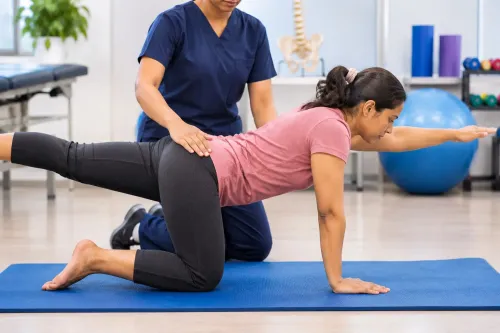
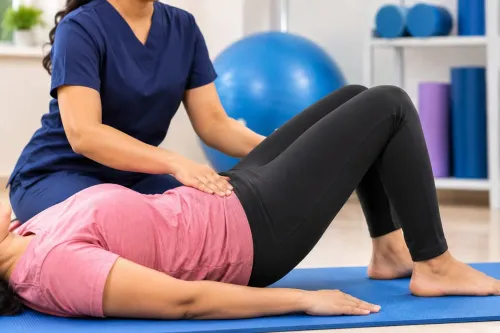
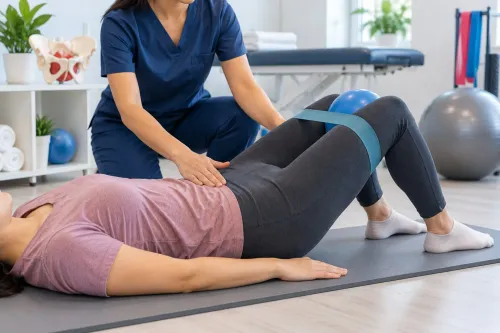
A clinician can coordinate these elements around your headache response, work demands, sleep position, and starting capacity. The home plan might begin with brief mobility, low-load deep neck flexor exercises, scapular strengthening, breathing, and frequent movement breaks, then progress gradually.
Manual therapy can make movement easier, but lasting improvement depends on practising control and endurance between appointments.
How should you monitor progress and choose appropriate support?
Keep a headache diary for at least several weeks. Record headache days, duration, severity, location, nausea or light sensitivity, sleep, screen or physical load, medication and exercise response. Track headache frequency rather than relying on one pain score: fewer days, shorter attacks, or better tolerance of movement suggests progress.
Medication history changes the decision. Note the drug, dose and days used each month. Headache on 15 or more days monthly, with regular medication overuse for more than three months, raises concern for medication-overuse headache: the threshold is 10 days monthly for triptans, opioids, ergotamines or combination analgesics, and 15 days for simple analgesics.
| Option | What your records show | Next step |
|---|---|---|
| Self-management | Symptoms are stable or improving, exercises do not increase or prolong attacks, and no warning signs appear | Continue the graded plan and review the diary |
| Medical headache care | Headache frequency is rising, migraine features dominate, medication use is escalating, or diagnosis remains unclear | Arrange assessment with a doctor or headache specialist |
| Physiotherapy support | Neck movement, sustained posture or exercise consistently influences symptoms, without neurological warning signs | Discuss an assessment and active programme with a physiotherapy clinic |
At PhysioFirstt, ask which findings support the plan, how progress will be measured, and whether manual treatment is needed. For safe physiotherapy treatment, discuss alternatives to cervical manipulation, contraindications, vascular or neurological warning signs, and consent.
Seek urgent care for thunderclap headache, new weakness, confusion, fainting, seizure, fever with neck stiffness, or headache after significant trauma.
Related services
Physiotherapy Physiotherapy Restore your strength, mobility, and quality of life with professional physiotherapy services tailored to your needs. |
Osteopathy Treatment Osteopathy is a safe, non-invasive, and holistic treatment that focuses on restoring the body's natural balance by improving the function of muscles,... View service → |
Frequently asked questions
How can you tell whether a headache may be neck-related?
A neck-related headache follows a consistent pattern linked to neck movement, posture, or restricted cervical motion. Neck tenderness alone does not establish the cause, because migraine and neck pain can occur together.
Can sitting and screen use contribute to headaches?
Long periods in one position, sustained looking down, limited movement, and poorly arranged screens can increase neck muscle and joint load. Regular movement breaks and an adjustable workstation can reduce that load.
What does a physiotherapy assessment for headaches examine?
The assessment reviews your headache pattern, neck movement, posture, muscle strength, joint mobility, daily activities, and warning signs. The findings help distinguish a neck-related presentation from problems needing medical assessment.
When should you seek medical care for a headache?
Seek urgent care for a sudden severe headache, new neurological symptoms, confusion, fainting, fever with a stiff neck, vision loss, or a headache after significant head injury. Arrange medical review for a new, worsening, or unexplained pattern.
Which physiotherapy methods may help neck-related headaches?
Treatment may include targeted neck and upper-back exercises, mobility work, posture and activity changes, manual techniques, and a graded home programme. The method should match the assessment findings rather than rely on neck tenderness alone.