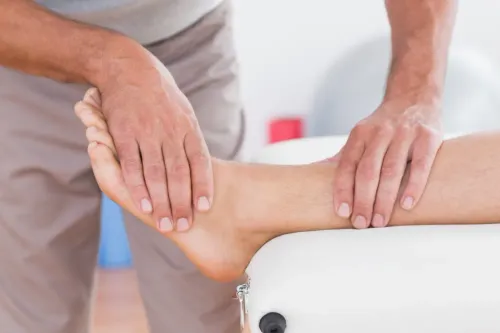

Shoulder pain can make surprisingly simple activities difficult. Reaching into a cupboard, putting on a shirt, sleeping on one side, lifting a bag, exercising at the gym, or working overhead may suddenly become uncomfortable. Because several muscles, tendons, joints, and surrounding structures contribute to shoulder movement, treatment should be guided by the pattern of symptoms.
Patients seeking shoulder pain treatment in Jaipur can benefit from understanding what a physiotherapy assessment is designed to identify.
Start With the Movements That Cause Difficulty
The location of pain provides only part of the information.
A physiotherapist may ask whether pain occurs while raising the arm, reaching behind the back, carrying something, pushing, pulling, throwing, or sleeping.
The examination can then assess:
- Active shoulder movement
- Passive mobility
- Muscle strength
- Shoulder blade control
- Neck movement
- Functional movements
- Relevant injury history
- Sport or occupational demands
These findings help determine which structures or movement patterns may be contributing to symptoms.
Should You Rest the Shoulder Completely?
Complete rest is not always necessary for routine musculoskeletal shoulder problems.
Temporary modification of painful activities can be sensible, particularly after an acute injury. However, prolonged avoidance may contribute to stiffness or loss of strength.
The better approach is often to identify what can still be performed comfortably and progressively rebuild tolerance.
Someone experiencing pain during overhead gym exercises, for example, may temporarily modify the load or range while continuing appropriate rehabilitation.
Exercise Versus Passive Treatment
People often ask whether shoulder pain requires exercises, manual treatment, or both.
The answer depends on the assessment. Hands-on treatment may sometimes help with symptoms or mobility, while progressive exercise can address strength, endurance, control, and the demands of everyday activity.
Exercises may focus on the rotator cuff, shoulder blade muscles, upper back, mobility, or functional loading.
PhysioFirstt in Jaipur uses assessment-led physiotherapy for musculoskeletal complaints so that rehabilitation can reflect what the patient actually needs to return to.
Recovery Should Match Your Goal
A person who needs to reach overhead for household activities has different requirements from a badminton player, swimmer, weightlifter, or worker who repeatedly lifts equipment.
This is why rehabilitation should eventually progress beyond basic pain-relief exercises.
Later stages may include resistance exercises, overhead control, endurance work, or sport-specific movements depending on the individual's goals.
When Shoulder Pain Needs Medical Attention
A significant fall or accident followed by severe pain, visible deformity, inability to move the arm, or marked weakness should receive appropriate medical evaluation.
Persistent pain accompanied by unusual systemic symptoms also requires assessment rather than self-treatment.
For gradual-onset shoulder problems, evaluation becomes useful when symptoms continue, movement progressively decreases, sleep is regularly affected, or normal activities remain difficult.
People in Jaipur and surrounding Rajasthan communities do not need to wait until shoulder pain becomes disabling before seeking guidance. Early assessment can clarify which movements are limited, which tissues may be involved, and whether physiotherapy is appropriate.
The most useful shoulder pain treatment is rarely based on one exercise or technique for everyone. A structured programme should adapt as movement improves, gradually progressing from symptom management toward the strength and confidence needed for work, recreation, sport, and normal daily life.
Keywords