Knee pain can become noticeable during stairs, squatting, walking, running, getting out of a chair, or standing after sitting for a long time. Some people immediately assume that every painful knee is “weak” or permanently damaged. In reality, knee symptoms can arise from several conditions, and the best rehabilitation approach depends on the underlying problem and functional limitations.
For patients considering knee pain physiotherapy in Jaipur, a detailed assessment is more useful than starting random knee exercises.
What Can Cause Knee Pain?
Knee discomfort can develop after an injury or appear gradually.
Possible contributors include joint irritation, muscle or tendon problems, changes associated with osteoarthritis, sports-related overload, reduced strength, or difficulty controlling movement during demanding activities.
A physiotherapist may also examine the hip and ankle because both influence how forces are managed through the leg.
What Happens During a Knee Assessment?
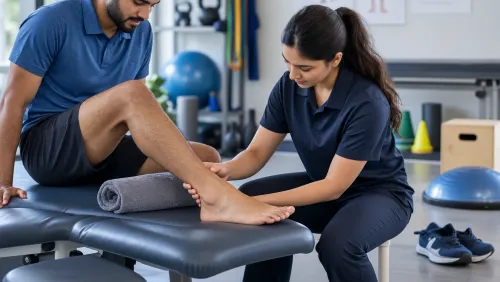
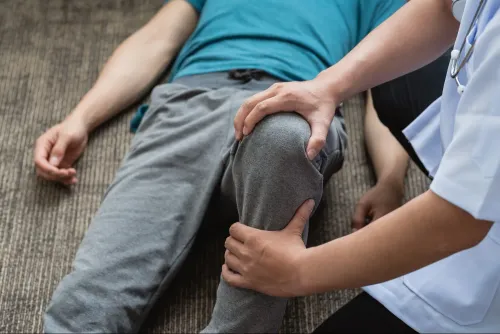
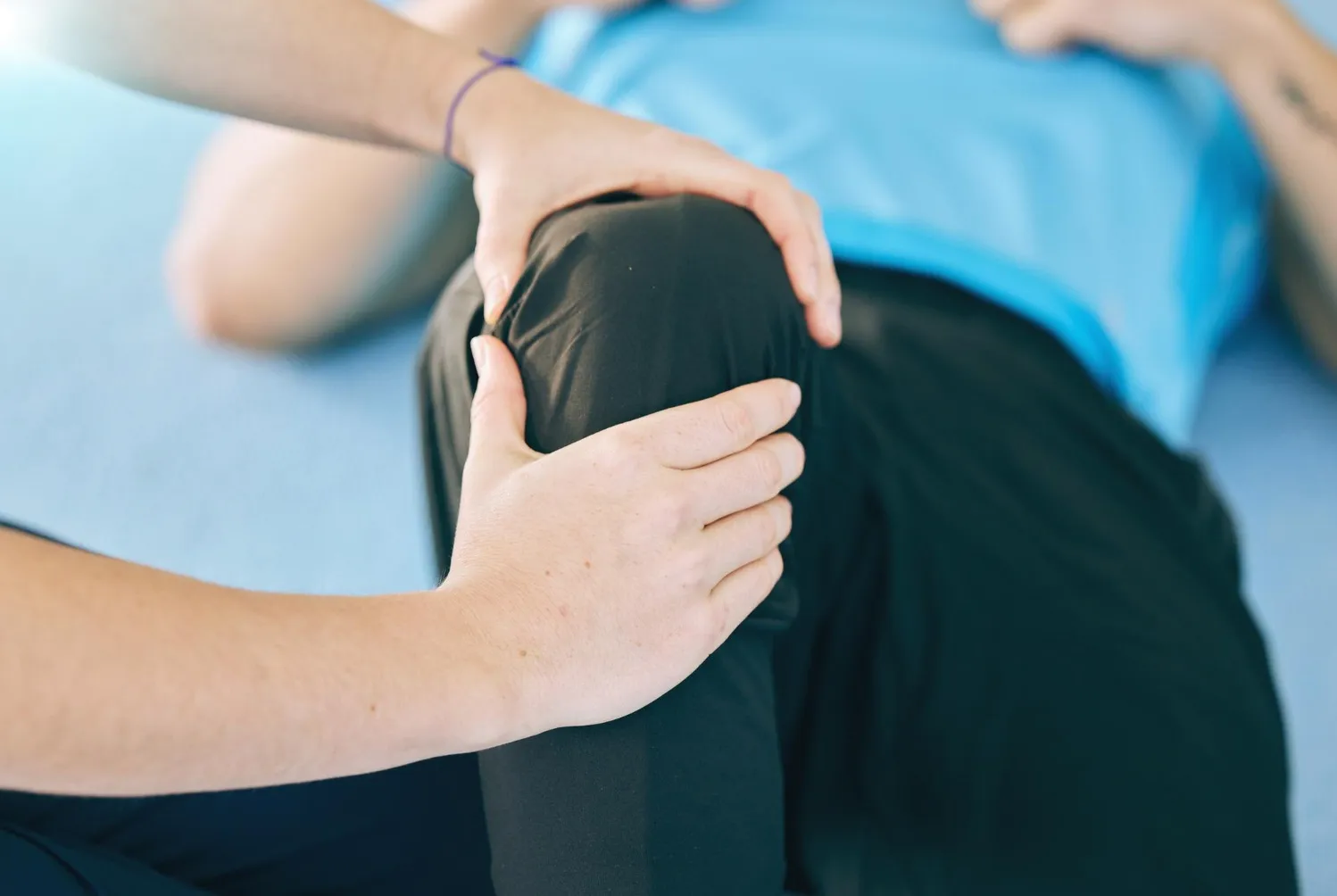
A useful examination considers more than the painful spot.
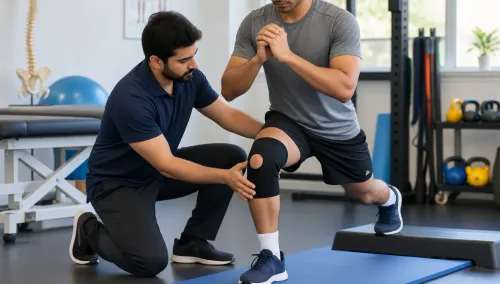
Depending on symptoms, assessment may include:
- Knee bending and straightening
- Muscle strength
- Swelling
- Balance
- Walking pattern
- Hip strength
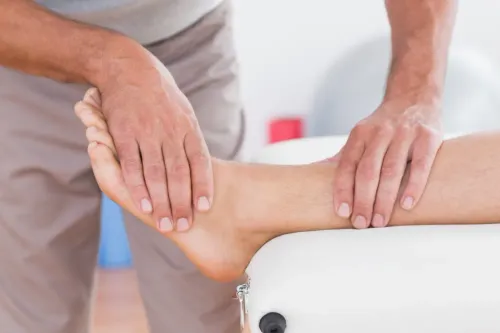
- Ankle mobility
- Squatting
- Stair movement
- Sport-specific tasks
If an injury occurred during running or sport, the therapist may also ask how it happened, whether swelling appeared quickly, and whether the knee feels unstable or locked.
Common Mistakes During Self-Rehabilitation
One mistake is stopping all activity for an extended period. Another is repeatedly performing painful exercises because someone online described them as essential for knee pain.
Exercise needs an appropriate dose.
If an exercise consistently produces significant symptoms, its resistance, range, volume, or technique may need modification. Conversely, exercises that remain too easy indefinitely may not provide enough stimulus to restore strength.
Progressive loading is therefore important.
Strength Matters Beyond the Knee
Effective rehabilitation may include the quadriceps, hamstrings, calf muscles, and hip muscles rather than focusing exclusively on the knee joint.
Balance and movement control can also become important, especially after injury.
At PhysioFirst in Jaipur, physiotherapy for musculoskeletal problems can incorporate individualized exercise progression based on assessment and functional goals.
For one patient, the immediate goal may be climbing stairs comfortably. For another, it may be returning to running or competitive sport.
When Imaging May Be Considered
Not everyone with knee pain automatically needs an MRI.
Clinical examination can help determine whether further investigation or referral may be appropriate. Imaging decisions depend on the history, suspected condition, severity, trauma, and findings during examination.
Significant injuries associated with deformity, inability to bear weight, substantial swelling, locking, or instability should receive timely assessment.
Look at Function During Recovery
Pain levels matter, but recovery should also be judged by what the knee can do.
Can you walk farther? Are stairs becoming easier? Has strength improved? Can you squat with better control? Can you perform work or recreational activities with greater confidence?
These questions provide a practical picture of progress.
For people across Jaipur, Rajasthan, knee pain does not have to be treated with an identical set of exercises. The appropriate programme should reflect the cause of symptoms, current strength, movement limitations, activity level, and future goals. A structured physiotherapy approach can help patients progress from basic movement toward the physical demands that matter in everyday life.
Keywords