Persistent limb swelling can make walking, reaching, dressing, work, and exercise harder, but swelling is not always lymphedema and sudden changes need medical assessment. By the end, you will understand how physiotherapy evaluates the problem, applies complete decongestive therapy, improves movement, and helps you manage the limb safely at home.
Key takeaways
- Physiotherapy manages swelling and function; it does not rebuild damaged lymphatic vessels.
- Assessment checks limb size, skin condition, movement, strength, and treatment safety.
- Complete decongestive therapy combines skin care, compression, exercise, and lymphatic techniques.
- Seek urgent medical advice for sudden swelling, redness, warmth, severe pain, or fever.
What lymphedema is and what physiotherapy can realistically change
Lymphedema develops when damaged, missing, or underdeveloped lymphatic vessels and nodes cannot move enough protein-rich fluid out of a limb. The fluid accumulates in tissue, causing swelling, heaviness, inflammation, and, over time, firmer skin and reduced movement. Lymphoedema is the British spelling for the same condition.
| Type | How it develops | Common causes |
|---|---|---|
| Primary lymphedema | An inherited or congenital problem affects lymphatic development or function | It can appear in childhood, adolescence, or adulthood |
| Secondary lymphedema | Damage to a previously functioning lymphatic system reduces fluid drainage | Lymph-node surgery, radiation, infection, trauma, or cancer treatment |
Physiotherapy usually manages lymphedema rather than permanently curing it. Treatment can reduce fluid volume, heaviness, discomfort, and tissue tightness, but swelling can return when compression and self-management stop. A realistic outcome is improved limb function: safer walking, easier reaching, better strength, and greater confidence even when circumference changes only slightly.
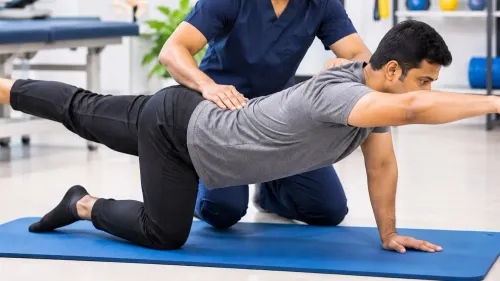
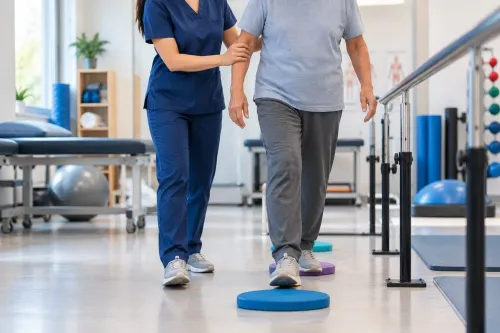
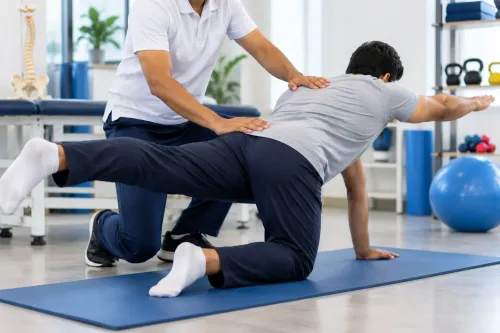
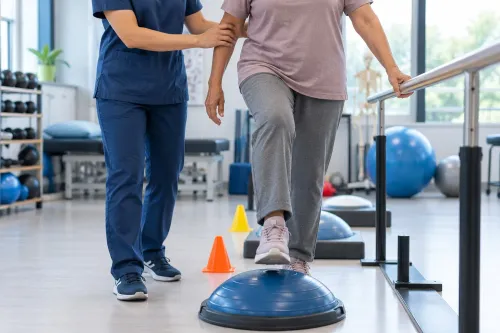
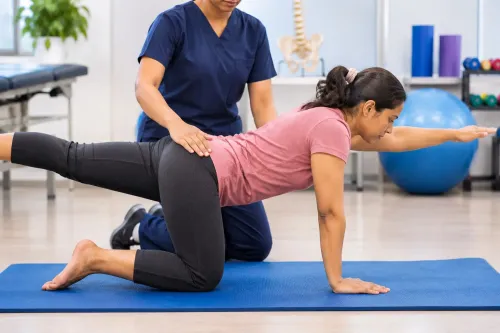
Exercise is usually progressed rather than banned. A physiotherapist can build strength, movement, endurance, and balance while monitoring delayed swelling, pain, skin changes, or reduced function. Treatment also addresses stiffness, scar restriction, weakness, posture, and fear of movement that limit activity alongside the swelling.
Skin care matters because clean, moisturised, protected skin reduces cracks and infection entry points. Progress is judged through repeatable changes in limb size or volume, symptoms, movement, and daily activity.
How a physiotherapist assesses swelling, function, and treatment safety
Before treatment begins, a proper lymphedema assessment creates a baseline for both swelling and limb performance. The physiotherapist records limb circumference at consistent anatomical points, calculates limb volume when possible, and notes whether the tissue has pitting edema, firmness, fibrosis, or tenderness. A single number cannot describe the whole problem.
- Review the history: onset, lymph-node surgery, radiation, infection, injury, congenital lymphatic problems, cancer treatment, medications, heart or kidney disease, previous clots, and changes in swelling.
- Inspect the skin for redness, heat, cracks, fungal infection, wounds, leaking fluid, scars, and signs of cellulitis. Broken skin or suspected infection can make compression unsafe until medically addressed.
- Test movement and strength in the nearby joints, such as shoulder, elbow, hip, knee, or ankle. Measure pain, heaviness, tightness, sensation, balance, gait, and the activities that swelling prevents.
- Screen treatment safety before choosing compression, bandaging, pumping, or exercise. Sudden one-sided swelling, severe pain, breathlessness, chest pain, marked redness, or fever needs medical assessment rather than routine treatment.
- Agree on repeatable outcomes, such as circumference, limb volume, range of motion, walking distance, grip or leg strength, and ease of dressing, reaching, lifting, or climbing stairs.
The assessment should also check posture, scars, weakness, and fear of movement because these can limit function even when swelling changes little. Repeat measurements under similar conditions show whether treatment is improving fluid control, comfort, and daily use of the limb.
How complete decongestive therapy reduces swelling
Swelling reduction comes from combining several modest effects, not from a massage session alone. Complete decongestive therapy, also called complex decongestive therapy, uses coordinated treatment during an intensive phase, followed by daily maintenance.
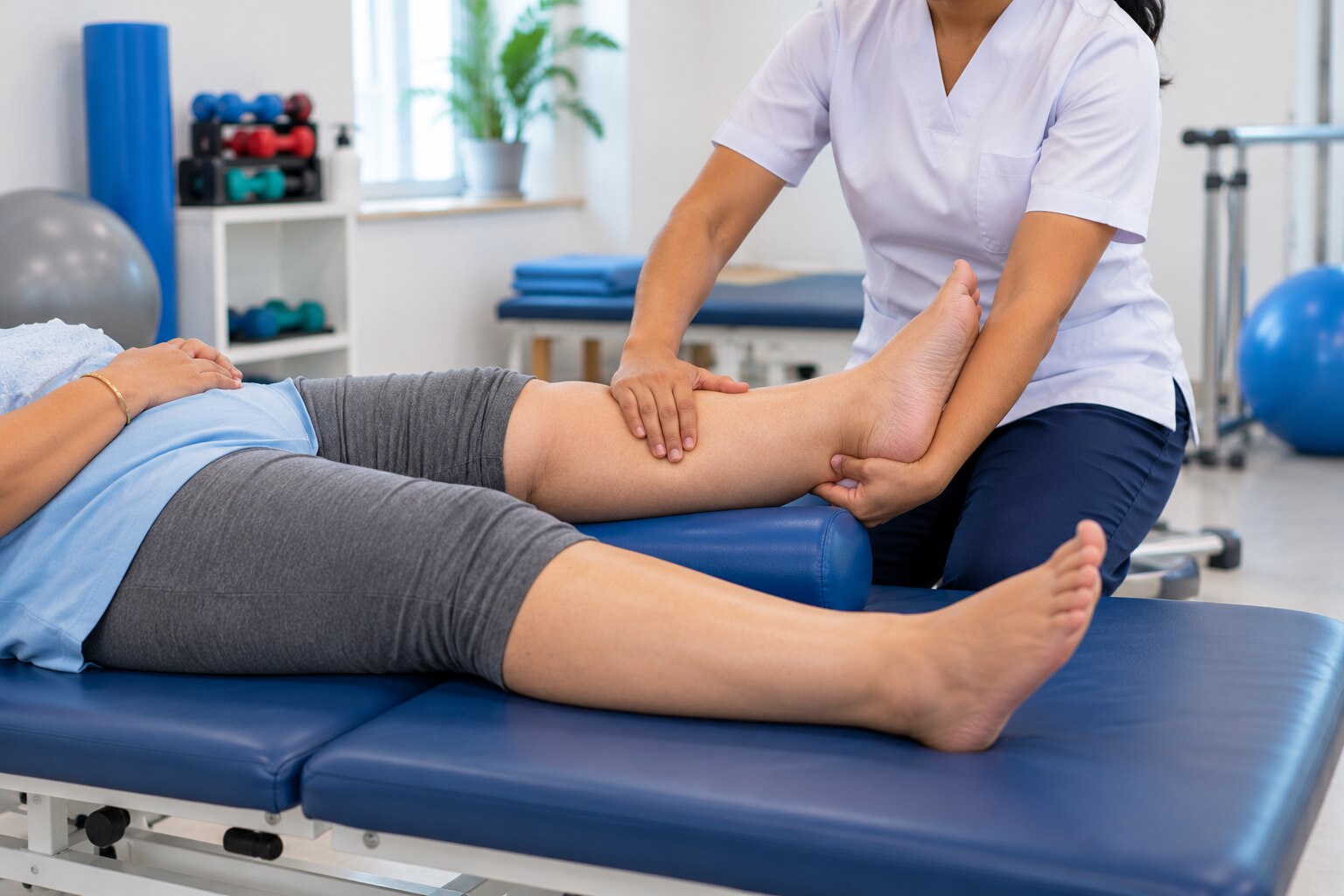
- Manual lymphatic drainage uses light, directed strokes to encourage fluid toward functioning lymphatic routes. It can ease tightness and heaviness, but it is one component rather than a guaranteed stand-alone method for reducing limb volume.
- Compression therapy applies controlled external pressure that limits refilling and supports fluid movement during muscle activity. A correctly fitted garment maintains the result after bandaging ends.
- Multilayer short-stretch bandaging provides firm, changing pressure during the intensive phase. Its low stretch resists expansion while walking or moving, helping soften tissue and reshape an irregular limb before garment fitting.
- Skin care prevents small problems from becoming major setbacks. Wash and dry the limb carefully, moisturise intact skin, protect it from cuts and burns, and treat cracks, fungal infection, or wounds promptly because impaired lymph clearance raises infection risk.
Prescribed movement works with compression by activating the muscle pump without provoking delayed swelling, pain, skin changes, or reduced function. As volume falls, the therapist replaces bandages with a suitable compression garment and teaches self-management.
Stopping compression and care can allow fluid to build again, so the goal is control and function rather than a permanent cure.
How exercise and home care protect limb function
Movement should feel controlled, not forceful. Lymphedema exercises that use gentle muscle contractions, joint movement, and deep breathing can support lymph flow while preserving range, balance, and confidence.
| Movement | How to use it | Stop or modify if |
|---|---|---|
| Ankle pumps and hand opening | Flex and point the ankles, or slowly open and close the hand, for 10 repetitions | Pain, tightness, or swelling increases |
| Walking | Start with a comfortable distance and add time gradually; keep the pace easy enough for steady breathing | The limb feels heavier or swelling remains higher the next morning |
| Progressive strengthening | Begin with light resistance and slow repetitions for the affected limb, then increase load under physiotherapy guidance | Delayed swelling, skin change, loss of movement, or reduced function appears |
Breathing exercises can be paired with movement: breathe in through your nose while expanding your lower ribs, then exhale slowly without straining. Avoid sudden jumps in intensity, heavy gripping, or holding your breath during lifting.
Check the limb later that day and the following morning, since a delayed response matters more than how it feels during exercise.
Daily habits protect the skin that lymphatic swelling makes vulnerable:
- Wash gently, dry between toes and skin folds, and apply unperfumed moisturiser to intact skin.
- Cover cuts, use gloves for gardening, and check water temperature to prevent burns.
- Treat cracked skin, blisters, wounds, or fungal changes promptly; increasing redness, warmth, pain, or fever needs medical review.
These habits support function even when limb size changes little: stronger muscles can improve walking, reaching, lifting, and daily independence.
Choosing practical support and recognising when swelling is urgent
Choose compression by the limb’s shape, skin condition, circulation, strength, and your ability to apply it—not by size alone. A garment that rolls, cuts into a skin fold, causes numbness, or leaves deep pressure marks needs review. Custom or flat-knit garments suit irregular limbs and folds better than many off-the-shelf circular-knit options.
| Option | Main purpose | Practical trade-off |
|---|---|---|
| Compression garments | Maintain reduced volume during daily life | Reusable and convenient, but require accurate fitting and regular replacement |
| Multilayer bandaging | Reduce substantial or uneven swelling during intensive treatment | Effective and adjustable, but bulky and usually applied by a trained clinician |
| Compression pumps | Add intermittent pneumatic pressure in selected plans | Can support home treatment, but does not replace garments, movement, or skin care |
| Kinesiology taping | Offer light directional support when garments are difficult to tolerate | Easier on sensitive areas, but provides less compression and can irritate skin |
Avoid starting strong compression, a pump, or bandaging before screening for arterial disease, uncontrolled heart failure, acute infection, or suspected thrombosis. Do not pull garments into wrinkles, tape over broken skin, or treat a pump session as a substitute for the maintenance plan.
PhysioFirstt can help check fit and monitor delayed swelling, pain, colour change, or reduced function while you build a safe routine.
Seek urgent medical care for sudden one-sided swelling, new severe pain, a hot red limb with fever, blue or unusually pale skin, or breathlessness and chest pain. Pause compression and seek advice if toes become numb, cold, or discoloured. A suspected clot, spreading infection, or breathing problem is not a physiotherapy appointment.
Related service
Physiotherapy Physiotherapy Restore your strength, mobility, and quality of life with professional physiotherapy services tailored to your needs. |
Frequently asked questions
What can physiotherapy realistically change in lymphedema?
Physiotherapy can reduce swelling, improve movement and strength, protect the skin, and support daily function. It cannot rebuild missing or damaged lymphatic vessels.
How does a physiotherapist assess lymphedema?
Assessment includes limb measurements, skin and tissue checks, range of movement, strength, function, medical history, and screening for problems that make treatment unsafe.
What is complete decongestive therapy?
Complete decongestive therapy combines skin care, compression, specific exercise, education, and manual lymphatic techniques to control swelling and protect limb function.
When does limb swelling need urgent medical attention?
Seek urgent medical advice for sudden or rapidly worsening swelling, redness, warmth, severe pain, fever, breathlessness, or chest pain.