
Cervical pain is often used to describe discomfort arising around the neck or cervical spine. People may experience stiffness, restricted movement, headaches, shoulder-blade discomfort, or pain extending toward the arm. Because these symptoms can have different causes, choosing treatment simply because it worked for someone else may not produce the same result.
For patients in Jaipur, an appropriate cervical pain treatment plan should begin with assessment rather than assumptions.
Cervical Pain Is Not One Single Condition
Neck discomfort may be associated with muscular irritation, joint-related problems, prolonged static positions, reduced mobility, age-related changes, injury, or nerve irritation.
This means two people describing “cervical pain” may need very different rehabilitation programmes.
For example, one person may mainly experience stiffness after computer work. Another may have neck pain accompanied by tingling in the hand. A third may be recovering after an injury.
The symptoms, physical findings, medical history, and functional limitations all influence treatment decisions.
Physiotherapy Compared With Repeated Temporary Relief
People frequently rely on rest, massage, heat, or other short-term strategies whenever pain returns. Some measures can temporarily make symptoms more comfortable, but recurring problems may require a broader approach.
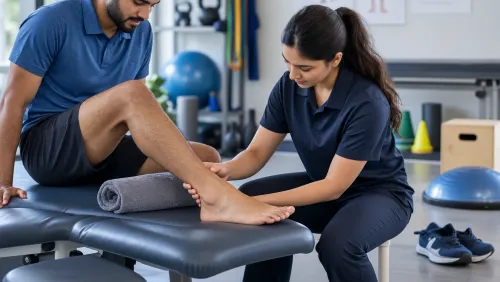
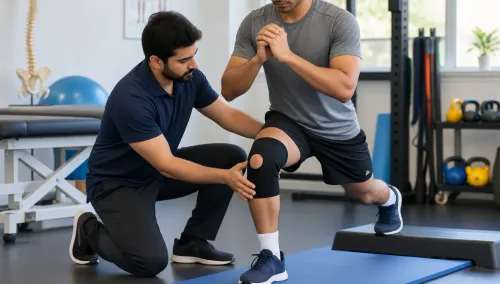
Physiotherapy can assess why particular movements remain difficult and gradually work on mobility, strength, control, and tolerance.
A programme may include:
- Cervical mobility exercises
- Upper-back mobility
- Shoulder strengthening
- Muscle endurance training
- Movement retraining
- Workstation guidance
- Activity modification
- Progressive return to exercise
Manual therapy may also be considered where clinically appropriate, but it is generally most useful as part of a broader rehabilitation strategy rather than the only intervention.
What About Osteopathy?
Some patients considering cervical pain treatment also explore osteopathy. Osteopathic assessment may incorporate examination of mobility and musculoskeletal function, followed by appropriate hands-on techniques where suitable.
The important consideration is not simply choosing a treatment label. Patients should receive an assessment that considers symptoms, medical history, neurological signs, and functional limitations.
PhysioFirstt in Jaipur provides physiotherapy and osteopathy-related musculoskeletal care, allowing treatment decisions to be based on individual assessment rather than a standard routine.
Signs That Need Further Evaluation
Arm pain, tingling, numbness, or weakness should be discussed during assessment. Progressive neurological symptoms or significant problems following trauma should receive appropriate medical attention.
Similarly, unusual symptoms such as unexplained systemic illness or severe worsening pain may require investigation before routine rehabilitation proceeds.
What Makes a Rehabilitation Plan Useful?
A useful plan should explain what the patient can do between appointments.
Patients should understand which exercises to perform, how frequently to perform them, which activities can continue, which movements need temporary modification, and how activity can be increased over time.
Progress should also be measured through function. Improved ability to turn the head while driving, work comfortably, sleep better, exercise, or perform daily activities can be more meaningful than focusing only on a pain score.
For patients across Jaipur and Rajasthan comparing options for cervical pain, the key question is not which single technique is best. It is whether the treatment matches the actual problem. Assessment-led rehabilitation provides a structured way to identify contributing factors, address physical limitations, and progressively restore comfortable neck movement.
Keywords